Photovoltaic, biomass, biogas, geothermal, these green sectors are multiplying and diversifying. Do these sectors work well?
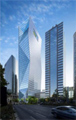 Aquae Environnement equips Carpe Diem tower at la Défense by ensuring the recycling of rainwater from facades and greywater from washbasins.
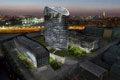 Aquae Environnement equips the new headquarters of Bouygues TELECOM by ensuring water supply of 350 toilets on 23 levels and the supply of the system of green spaces watering!
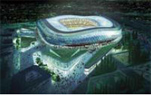 Aquae Environnement equips the new stadium of Nice with rainwater recycled from the 30,000 square meter roof to supply sanitary facilities and fire network as well as to water the lawn.
 Millions of cubic meters of water are wasted in France, because people have not yet form the habit of recovering rainwater.


Rainwater, major alternative resource - Intérêts et obligations
Combine regulatory obligations with ecological and economic interests
The legislative retention obligation can be profitable by using water thus stored to cover certain needs of the related installations. Uses can be diverse: industrial process, toilet tank, surface cleaning, watering, fire reserves: supply of dry columns and sprinkler systems (costly weekly tests with city water).
The intervention of AQUAE from the stage of project conception makes it possible to absorb the cost of the work fulfilling regulatory obligations. The following diagram shows an example of a retention tank offering an integrated solution to this objective.
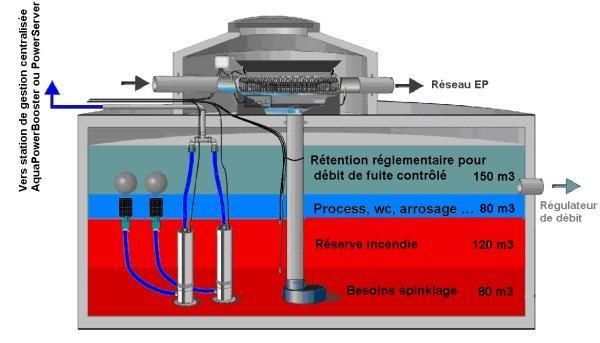
The sizing of a retention basin should firstly satisfy the regulatory aspects of rainstorms storage and discharge at controlled flow. In order to reduce the cost of installations and investments, it can then satisfy, in whole or in part, the technical water supply to cover various non-food, non-corporeal needs. There are many uses in the industry regarding process (non-food) water such as cleaning surfaces or rolling stock, cooling, demoulding, cutting and watering.
As for collective buildings, stored rainwater can be used for the supply of sanitary facilities, the watering of green areas, and also to form the fire reserves and supply the sprinkler networks.